1
Международная спелеологическая экспедиция в карстовый район Козу-Баглан, южный Тянь-Шань, Кыргызстан, 2026 г.
Даты экспедиции июль — август 2026 г. 14 дней
Мы приглашаем спелео клубы, ассоциации, научные центры и всех желающих спелеологов, спелео биологов, принять участие в спелеологической экспедиции.
Цели экспедиции:
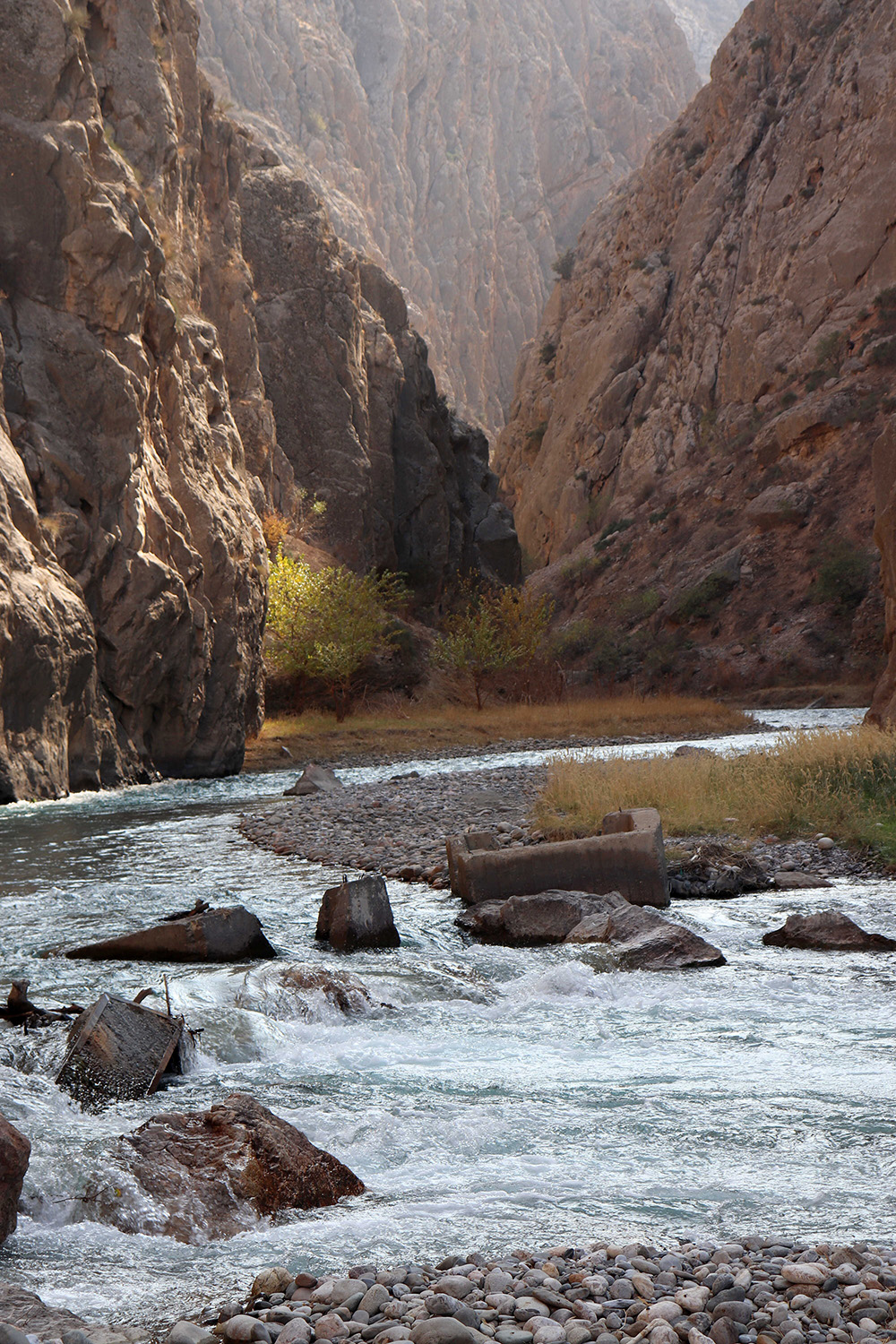
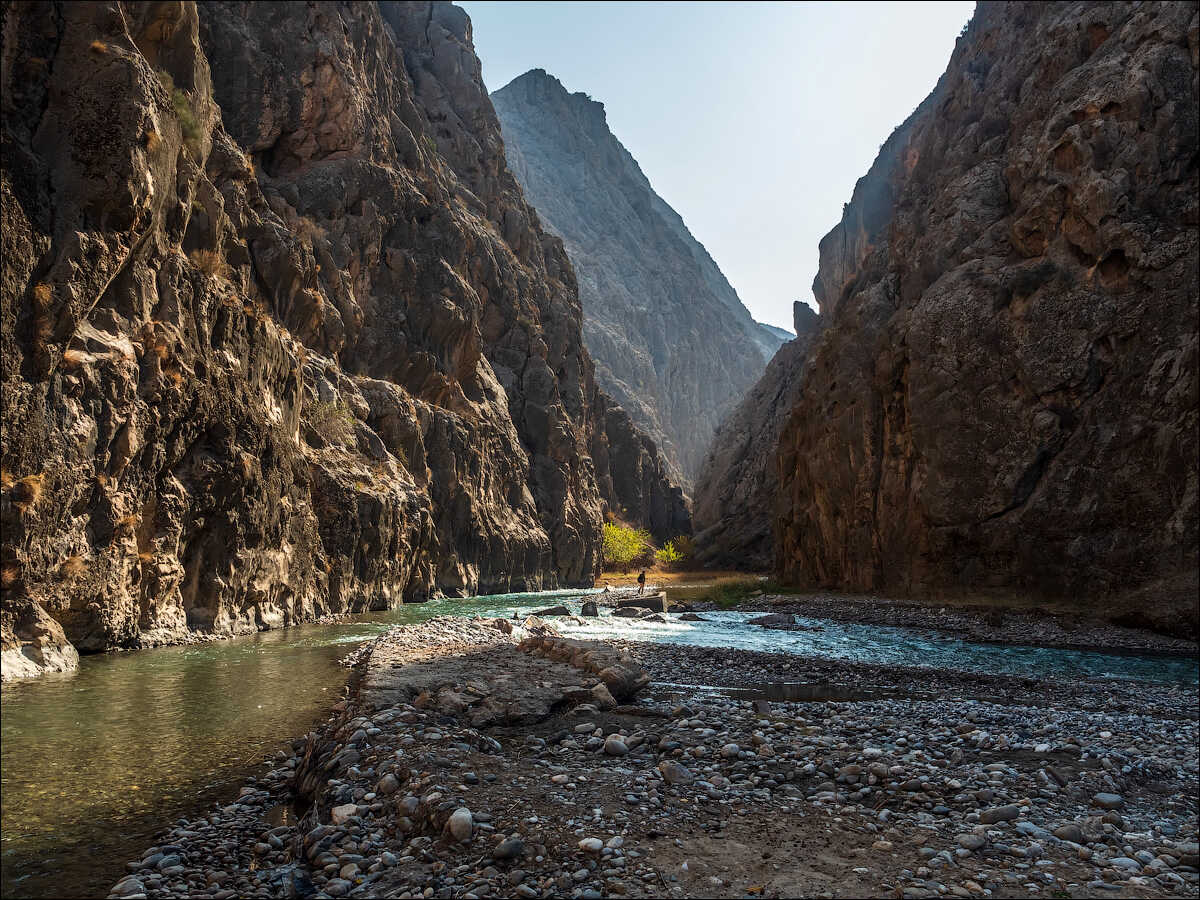
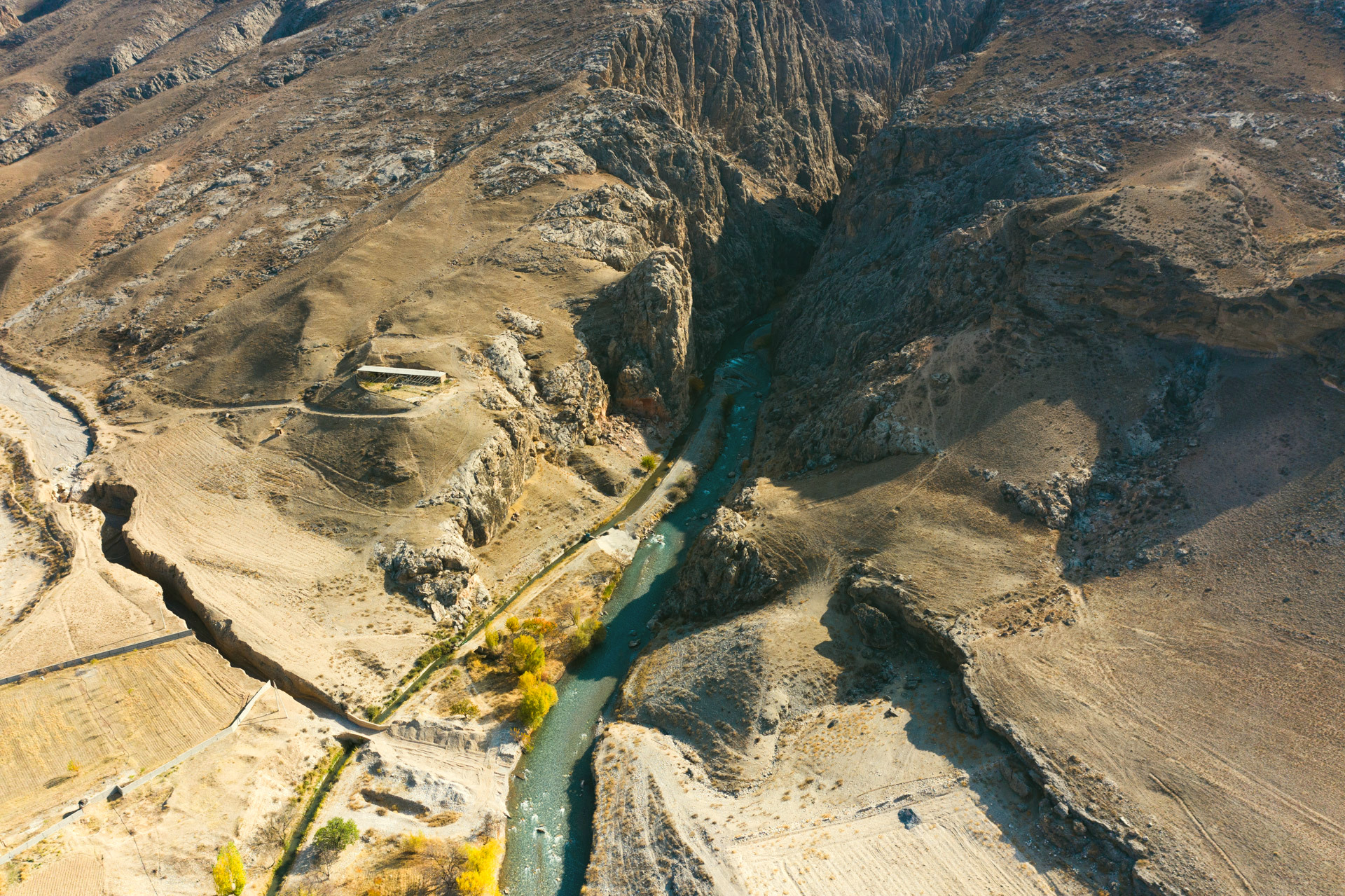
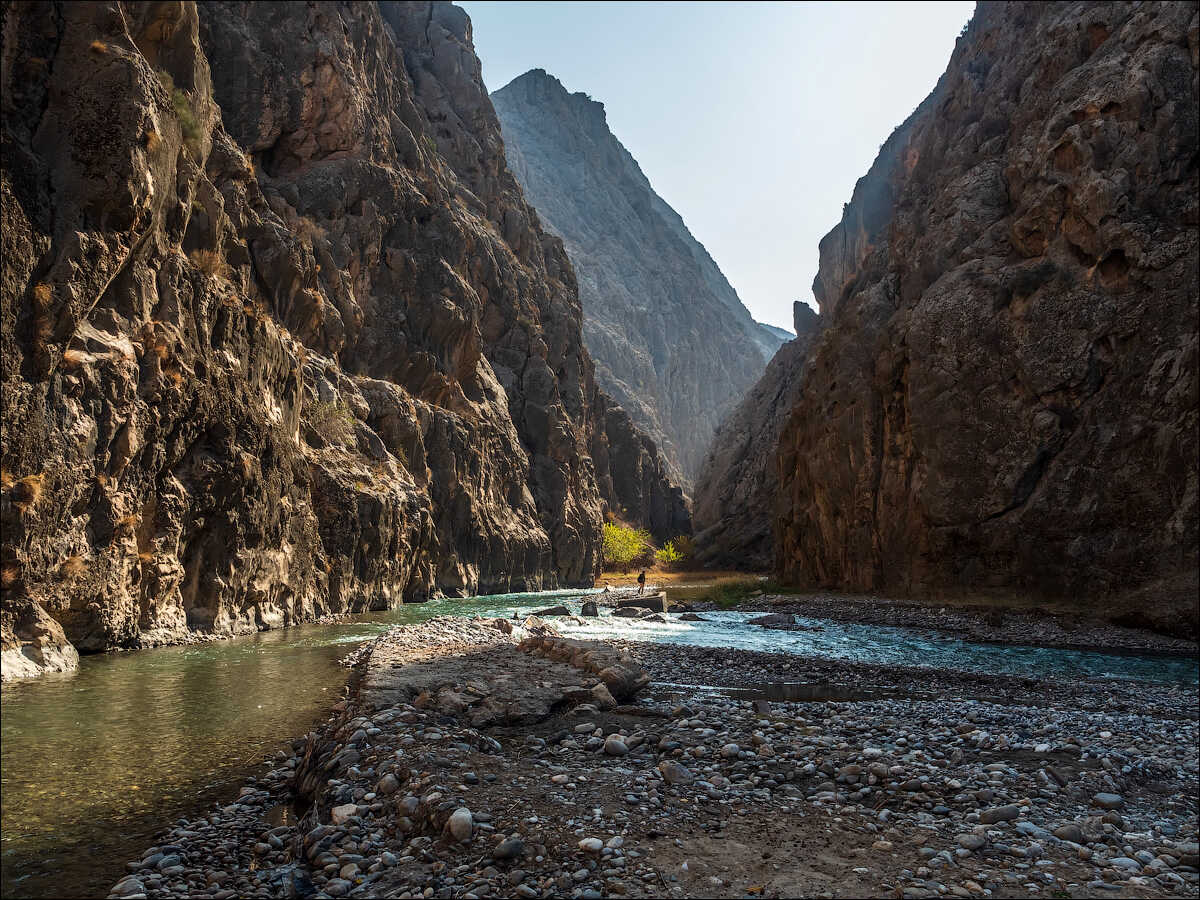
Для исследования каньона Козу-Баглан, мы планируем использовать резиновую лодку. Длина каньона составляет около 7 км. Также мы планируем использовать дрон внутри каньона, чтобы найти входы в новые пещеры.
Программа экспедиции:
День 1. Встреча в аэропорту города Ош. Размещение в гостевом доме. Презентация программы.
День 2. Переезд Ош — базовый лагерь в долине Козу-Баглан, 350 км
Дни 3 — 12. Спелеологические исследования: поиск новых пещер, исследование труднодоступных полостей, исследование каньонов и плато.
День 13. Возвращение в Ош
День 14. Переезд в аэропорт
Горные хребты южного Тянь-Шаня сложены известняками. Трещиноватые известняки активно подвержены карстовым процессам. Здесь много карстовых родников.
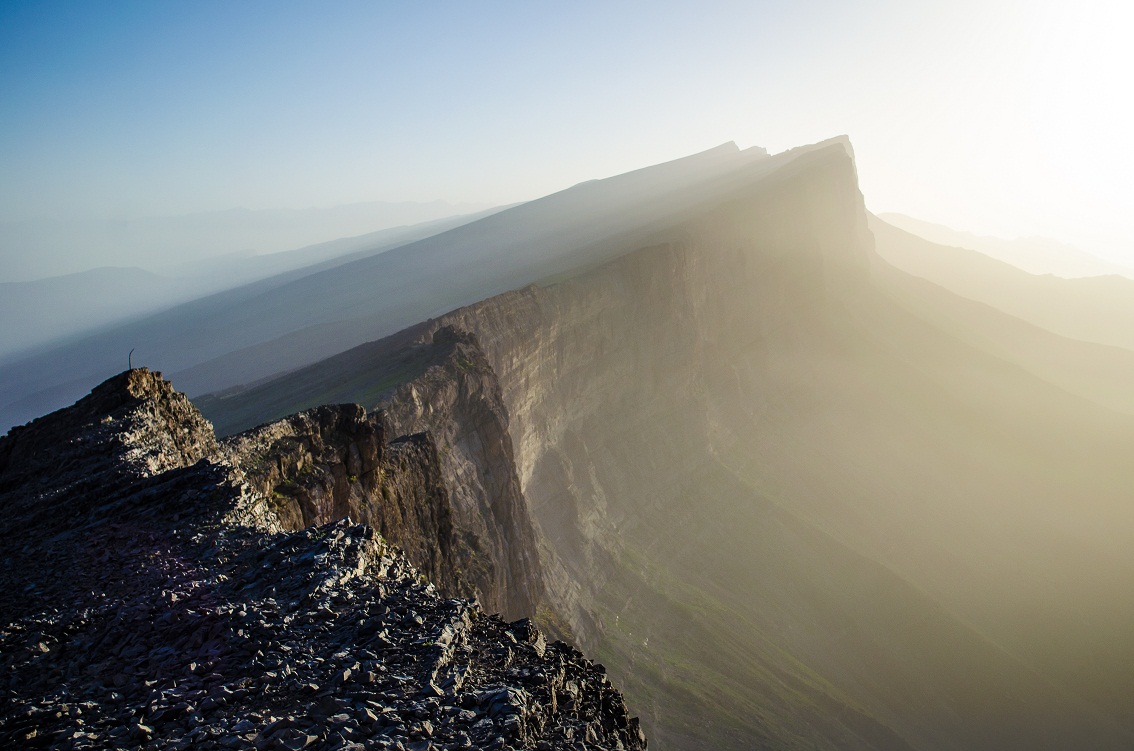
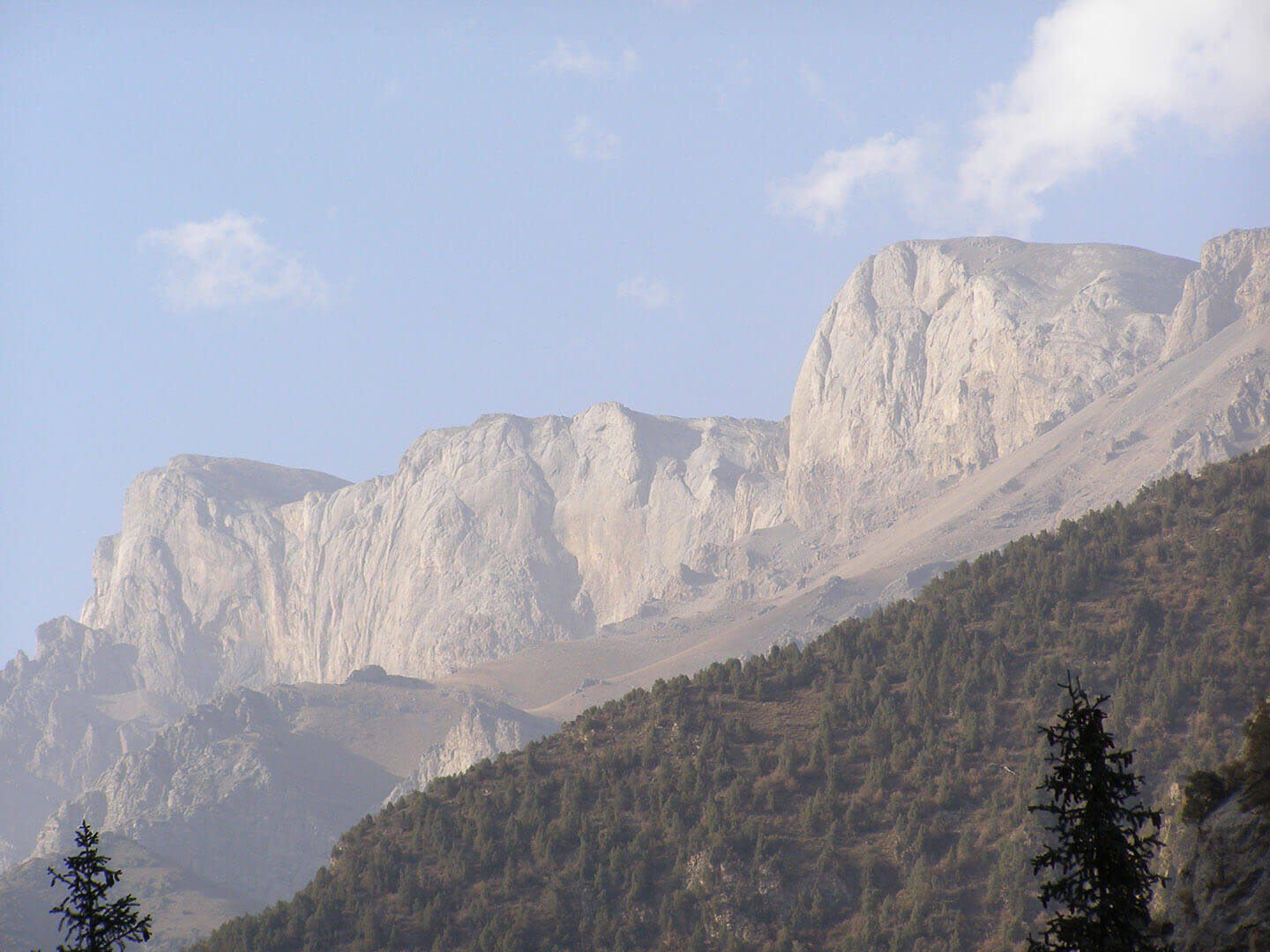
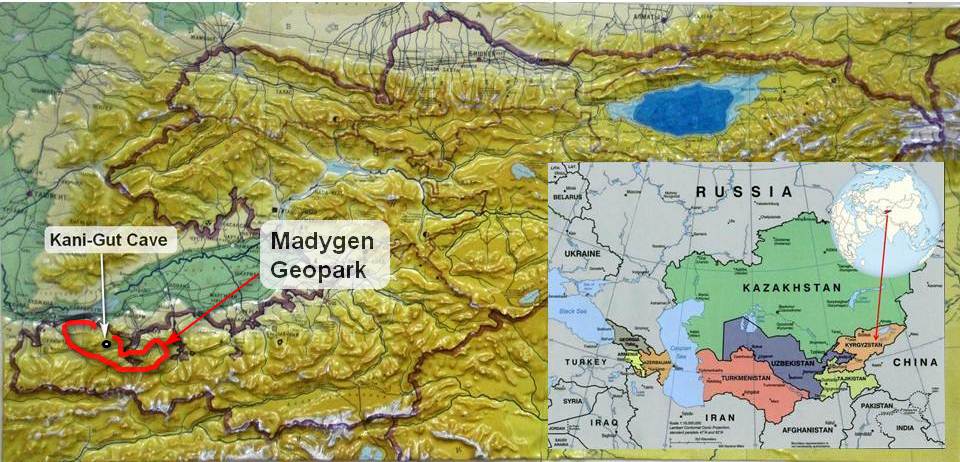
Мы планируем сосредоточить исследования на двух карстовых областях, которые компактно расположены в северных предгорьях Туркестанского хребта. Это карстовые области приурочены к каньонам Козу-Баглан и Мадыген. Карстовые горные массивы сложены девонскими и каменноугольными известняками.
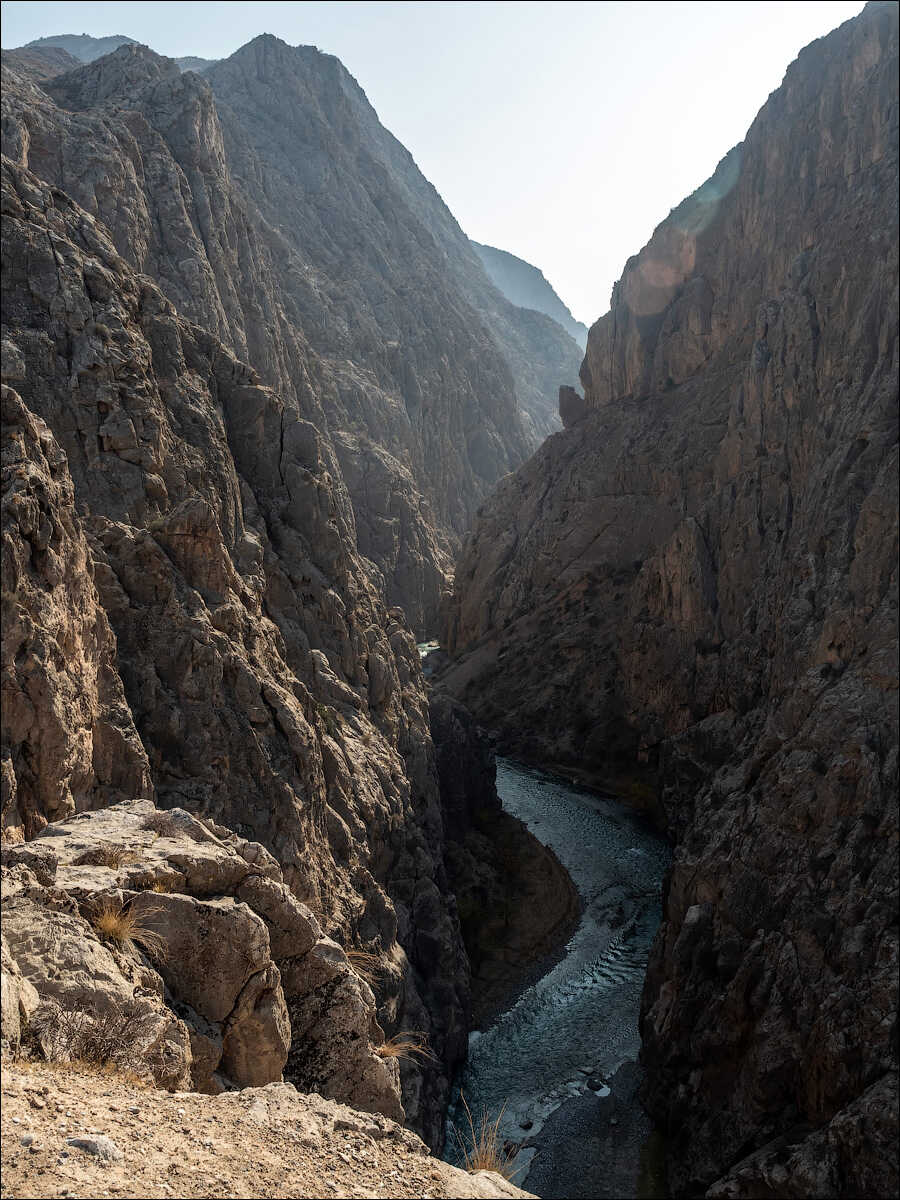
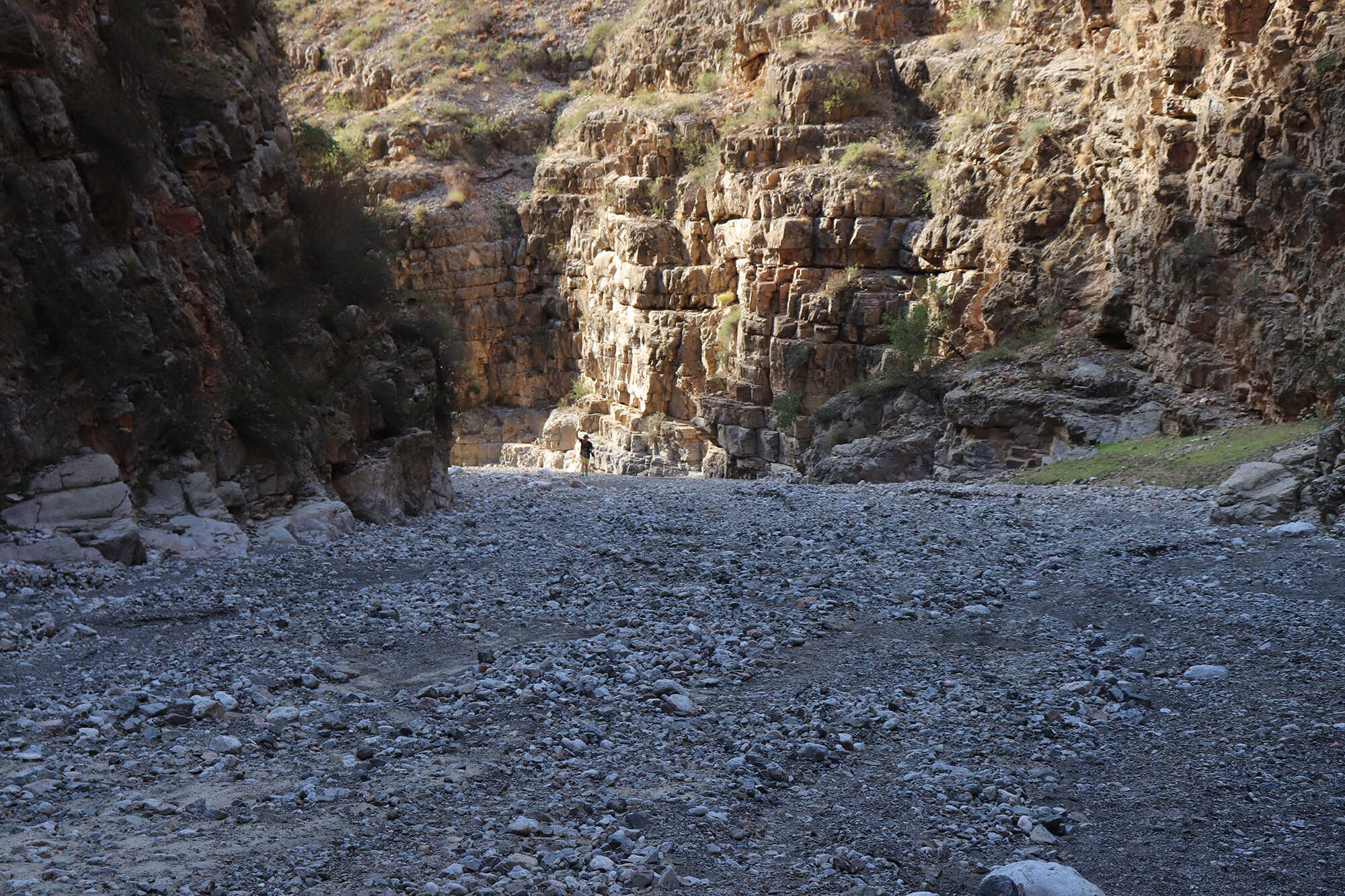
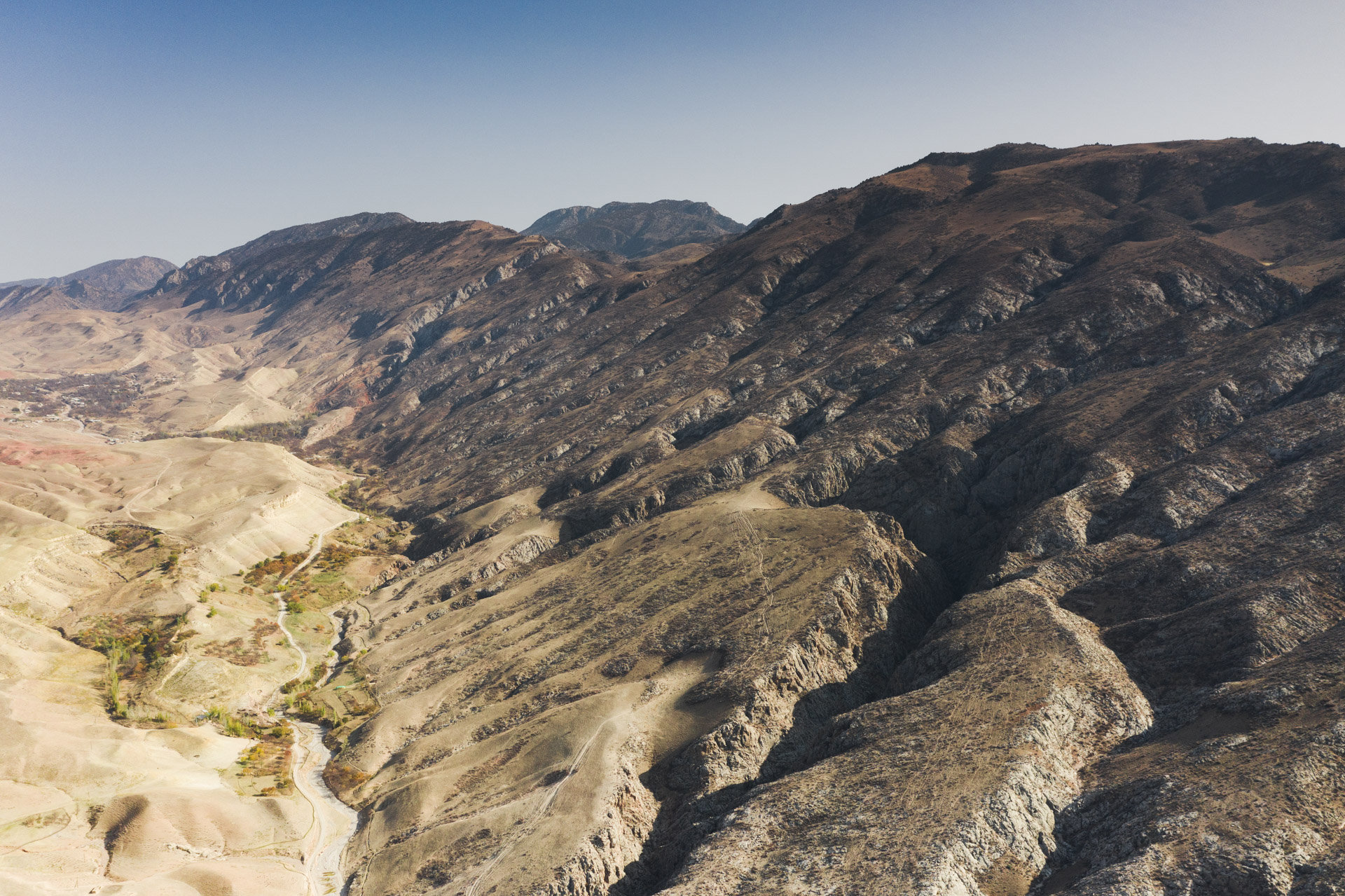
Рельеф карстовых областей представляет собой грандиозные каньоны и плато на горном массиве Такта-Боз. Глубина каньонов достигает 300-400 м. В процессе разведки с помощью дрона, на вертикальных стенах обнаружены многочисленные гроты. Некоторые входы приурочены к тектоническим разломам. Однако, чтобы добраться до этих входов нужна слаженная работа хорошей спелео команды.
До настоящего времени эти карстовые области остаются не известными для спелеологов и учёных. Местные жители знают несколько пещер. Но размер этих пещер нам не известен.
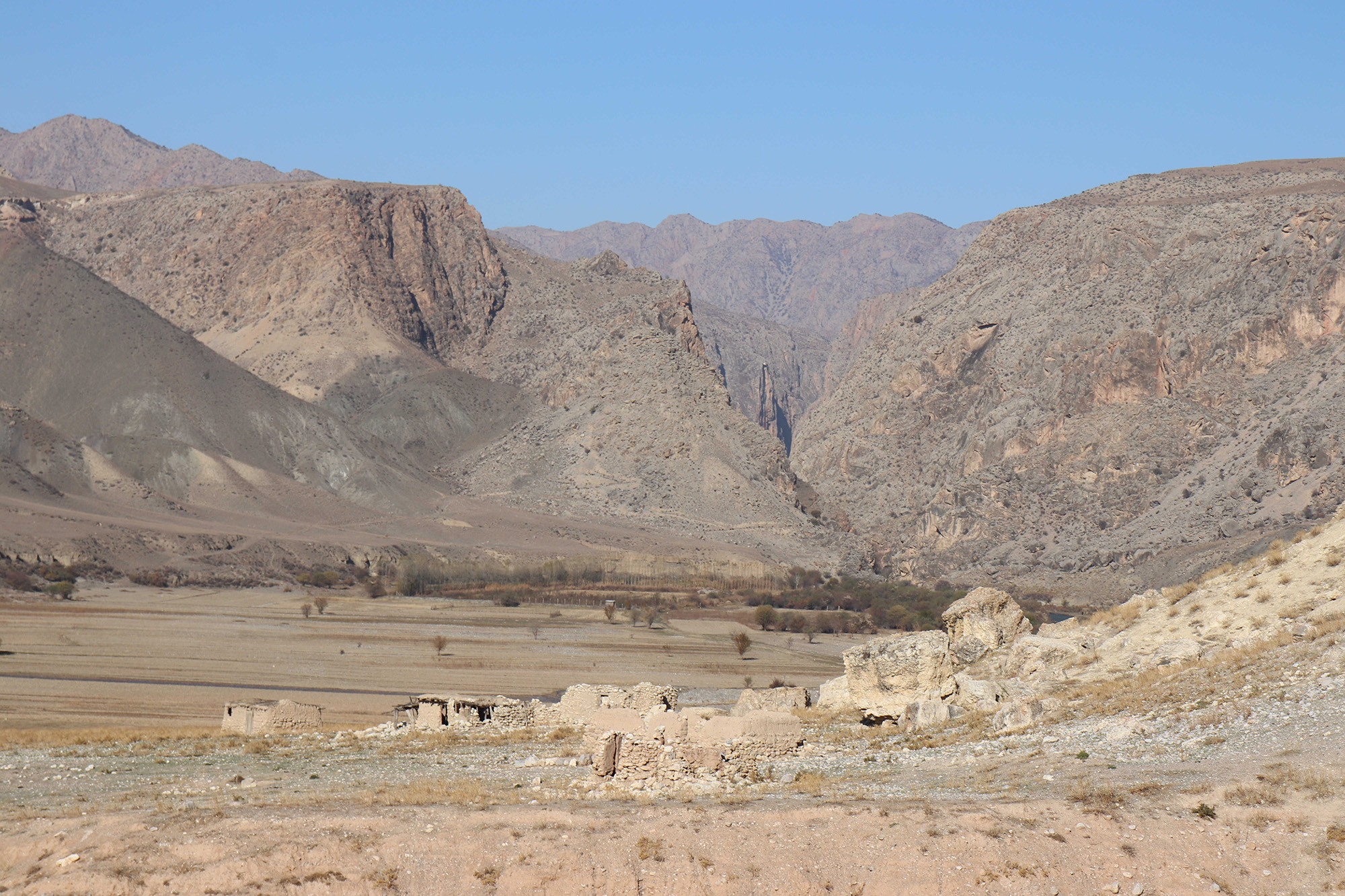
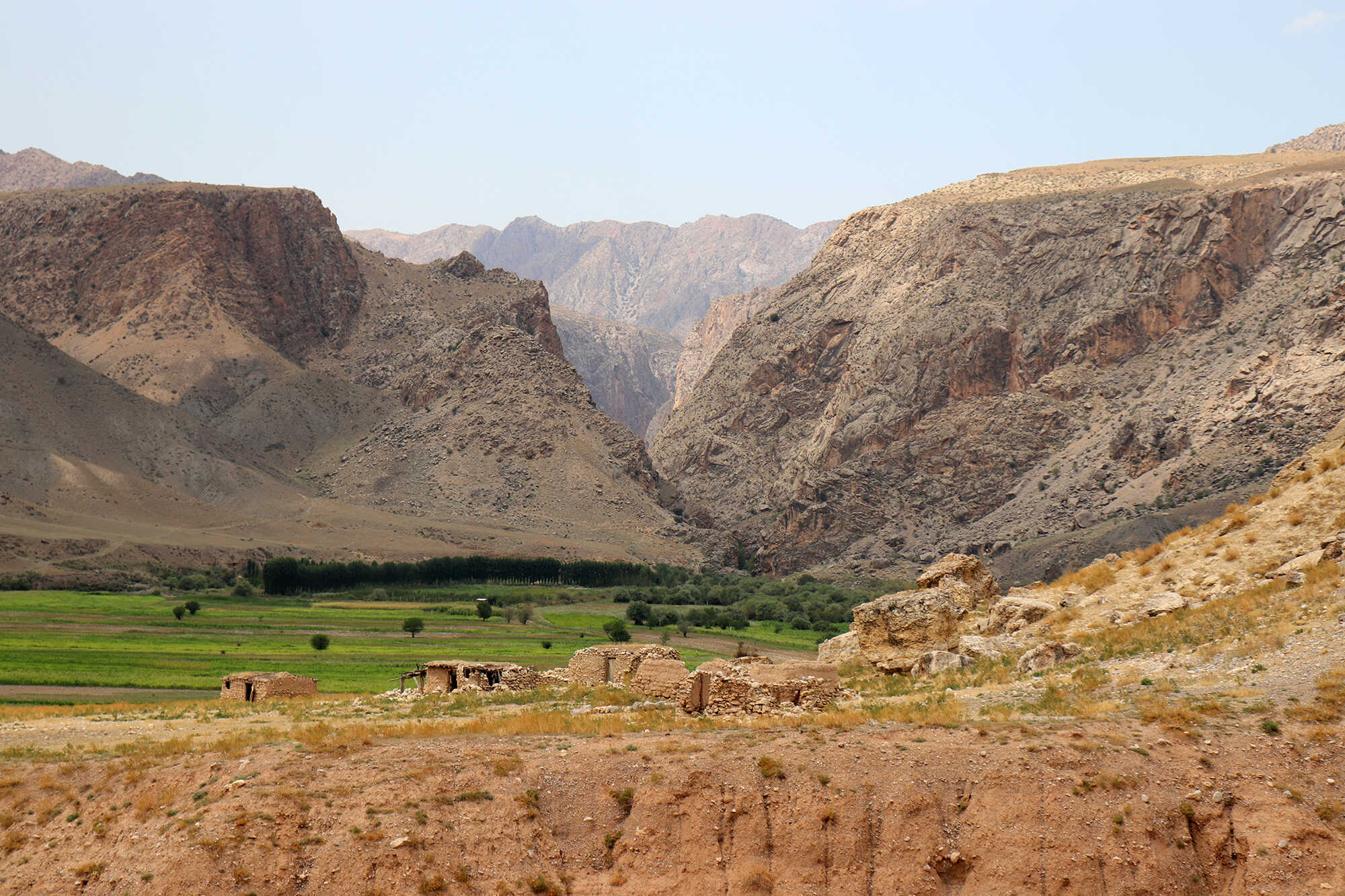
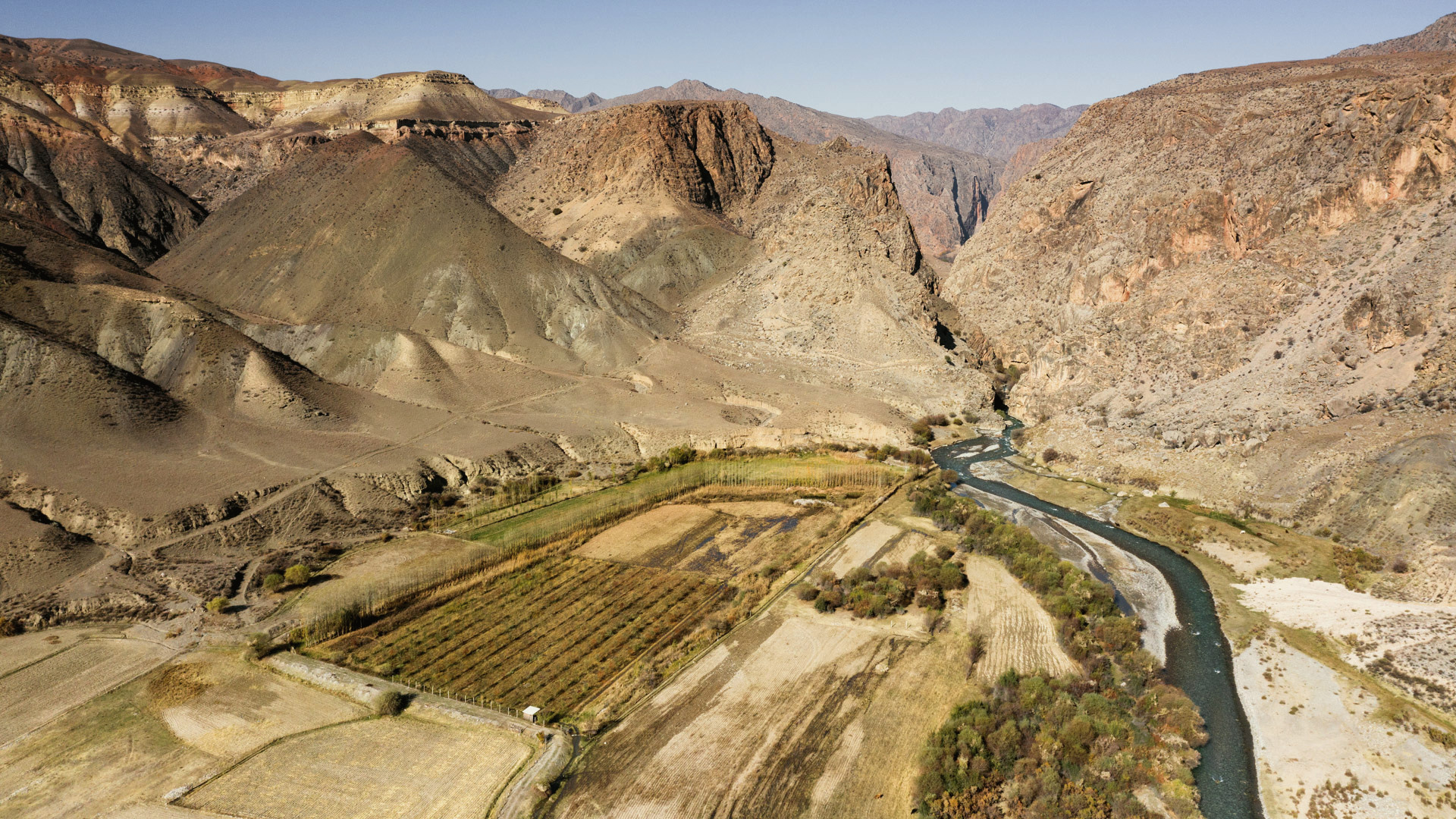
Мы хотим сосредоточить исследования в двух каньонах Мадыген и Козу-Баглан. В 2021 году мы провели рекогносцировку этих карстовых областей. Каньоны с красивыми названиями Козу-Баглан и Мадыген изолированы от цивилизации и расположены в 50 км от крупных населённых центров. Это один из самых отдалённых карстовых регионов в Кыргызстане. Хорошие карстовые признаки указывают на хорошие перспективы для поисков новых пещер.
Вначале мы планируем организовать базовый лагерь внутри каньона Козу-Баглан на небольшом участке земли. Здесь мы проведём исследования каньона и плато.
Альтернативной карстовой областью является каньон Мадыген и его хребет Сары-Белес. Эти две карстовые области расположены в 25 км друг от друга.
Для переезда между карстовыми областями мы используем внедорожный автомобиль на 15 мест.
Поэтому, мы формируем команду спелеологов, которые смогут много ходить по сложному рельефу и искать новые пещеры.
Район расположен между Ферганской долиной и Туркестанским горным хребтом. С точки зрения геологии он относится к тектонической системе Южного Тянь-Шаня. Эта область находится в относительно стабильных тектонических условиях. Здесь резко континентальный климат с жарким летом и тёплой зимой.
Главным признаком карста, являются многочисленные родники, которые дренирую у подножья горного массива Такта-Боз (основной карстовый массив). Большой дебит постоянно действующих родников 20-30 л\сек, указывает на активные карстовые процессы.
Во время рекогносцировочной экспедиции, местные жители рассказали нам об узких входах, за которыми продолжаются большие подземные галереи и залы. Из-за отсутствия опытной команды, мы не могли провести исследования этих пещер.
В 1975 году, на известняковом плато хребта Такта-Боз, геологи обнаружили несколько карстовых воронок (dolines) в восточной части известнякового хребта. Диаметр карстовых воронок, около 20-30 м, глубина до 1-2 м. Некоторые воронки (dolines) заканчиваются узкими панораме, в которых весной исчезает вода.
Климатические условия: Летом среднесуточная температура воздуха + 30, +35 градусов. Зима теплая с температурой воздуха + 10, +15 градусов.
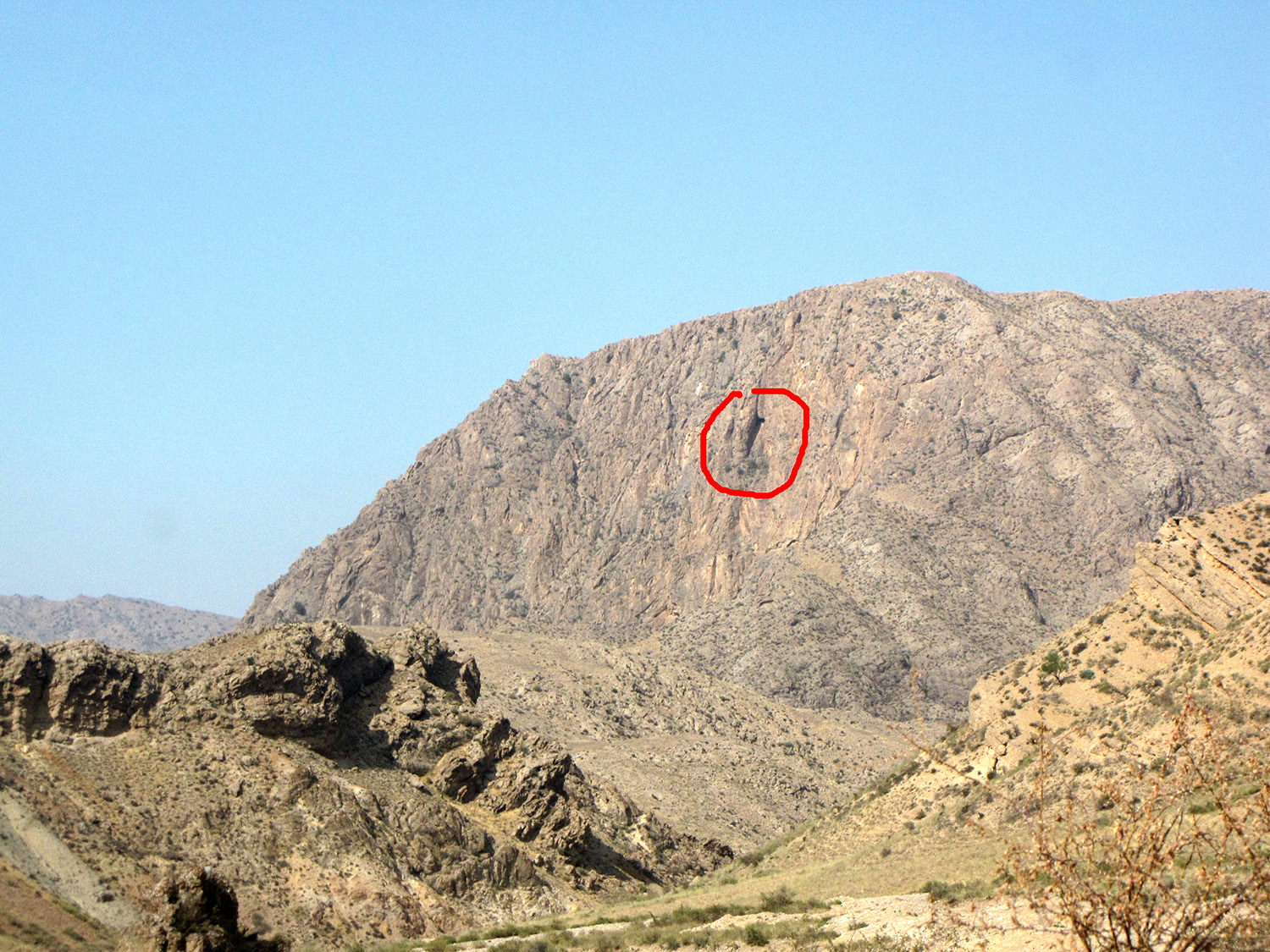
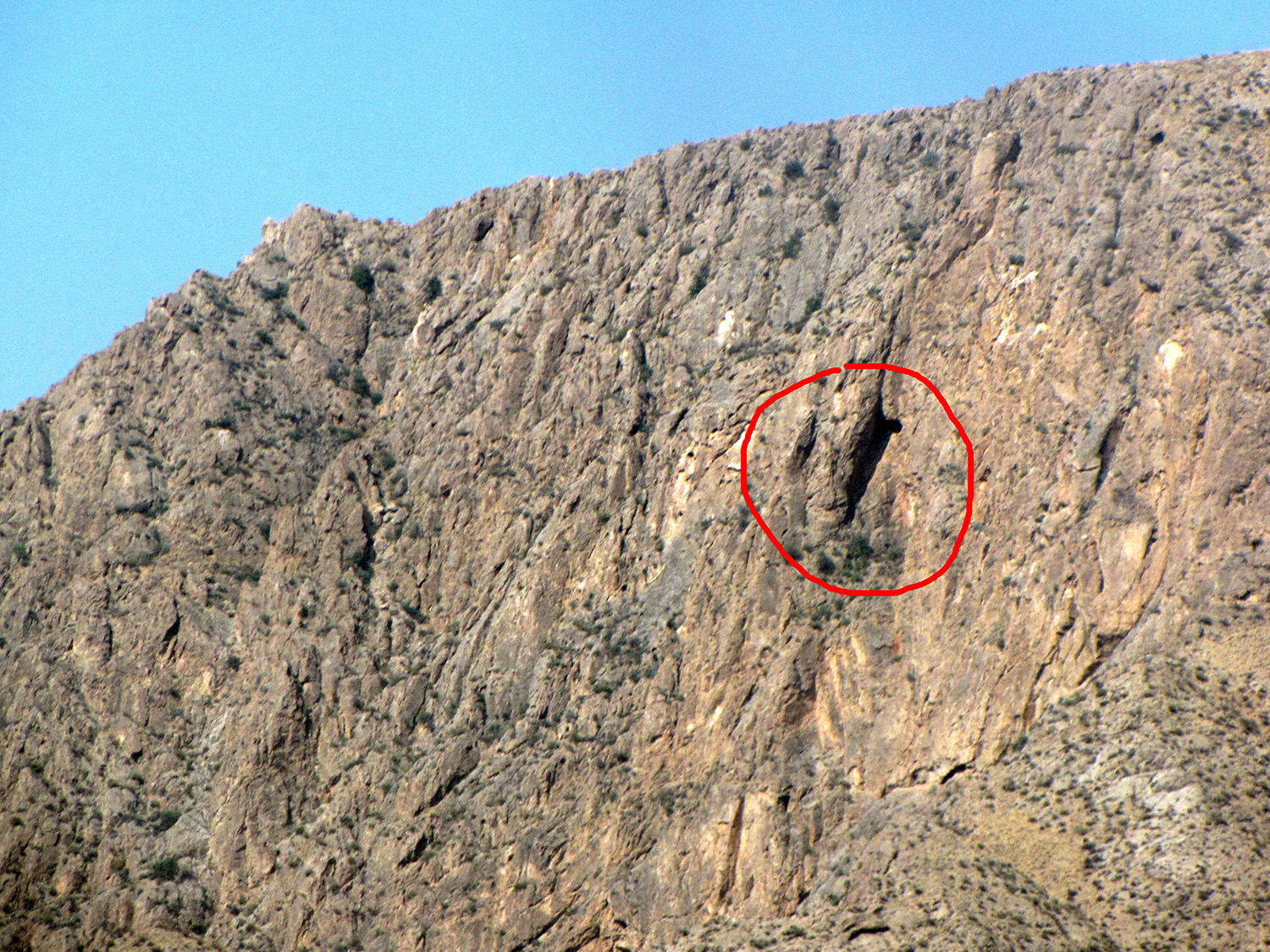
В каньоне Мадыген в 2017 году, во время рекогносцировочной экспедиции, на западной вертикальной стене каньона, был обнаружен огромный вход, который получил название «Парящий». Вход приурочен к вертикальному разлому, рассекающему весь известняковый массив, от плато, до его подножья. Мощность известняковой толщи над входом около 150 м. Высота стены между входом и дном каньона около 150 м. Поэтому, чтобы попасть в новую пещеру, потребуется команда профессионалов.
Все желающие спелеологи могут принять участие в экспедиции.
В экспедиции примут участие 2-3 спелеолога из Кыргызстана и Узбекистана.
Въездная виза: Если вам необходима визовая поддержка, вы можете обращаться к нам.
Мы предоставим всё необходимое оборудование для базового лагеря. Мы предоставим высоко проходимый автомобиль для работы в карстовых областях.
Для полевого базового лагеря мы предоставим:
К сожалению мы не имеем перфоратор
Если ваш клуб или федерация заинтересованы в участии, то напишите нам по электронному адресу: info@speleoca.kg
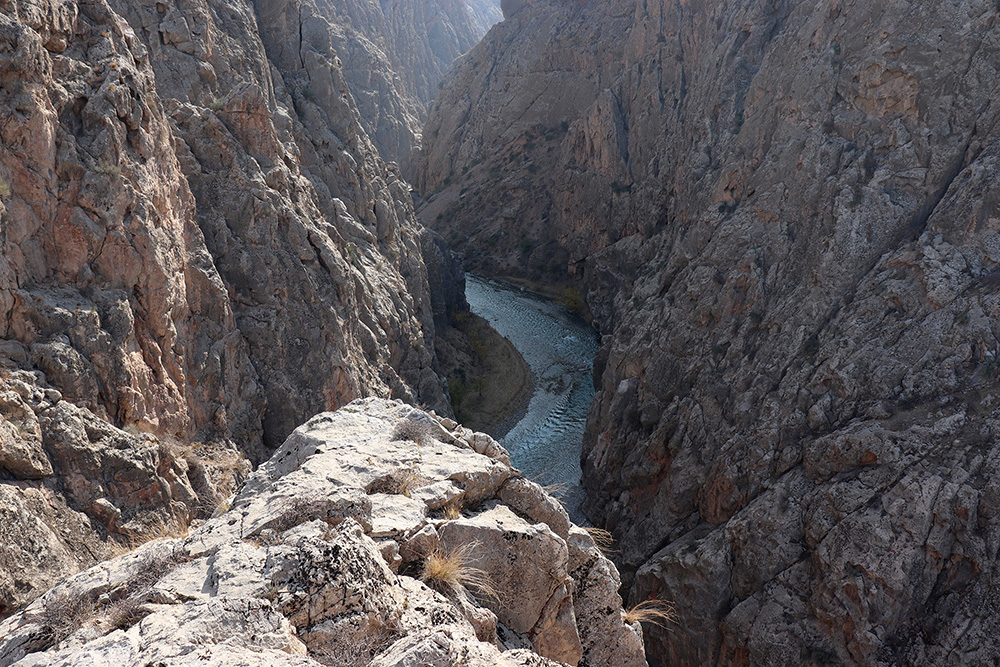
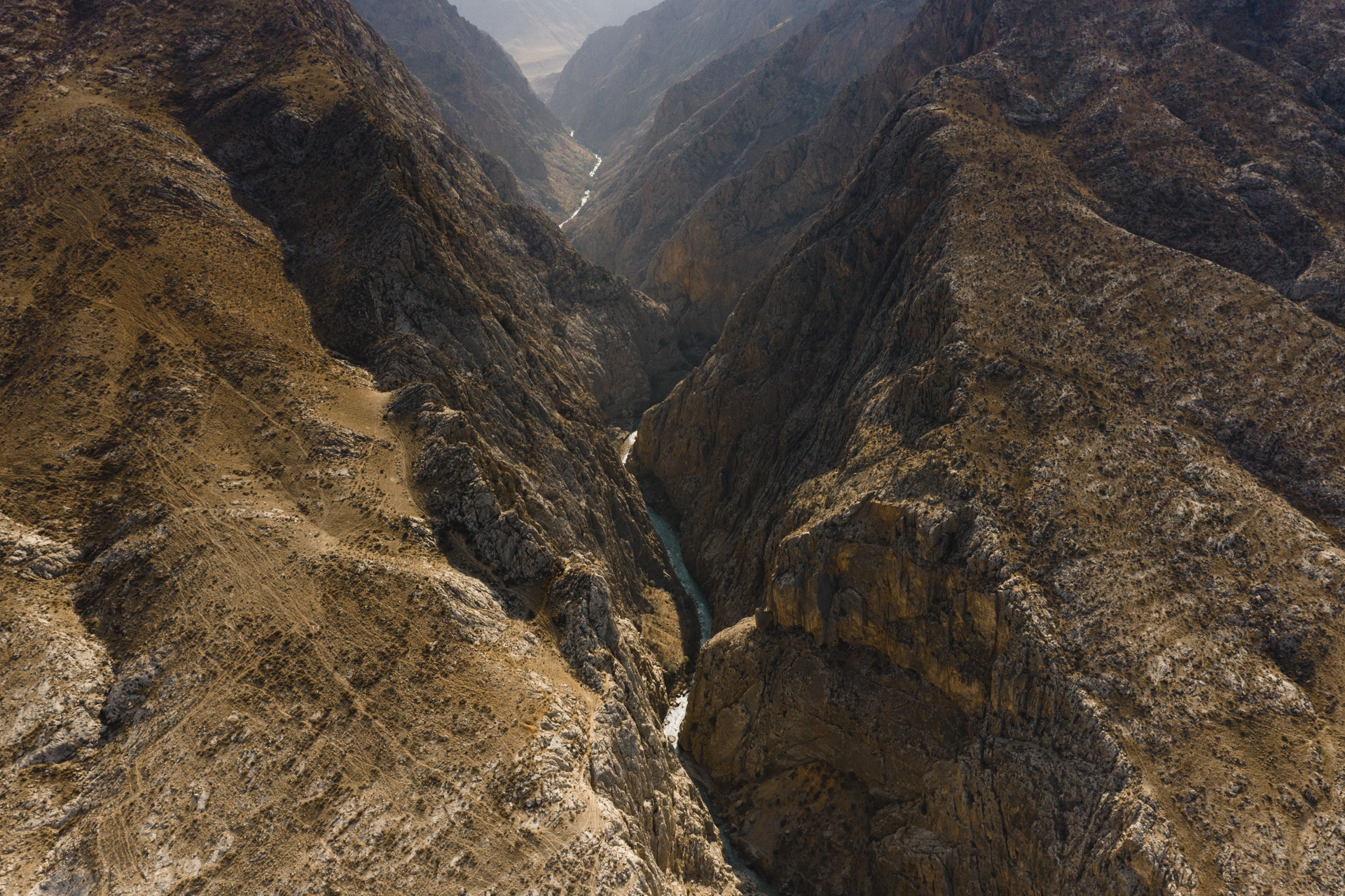
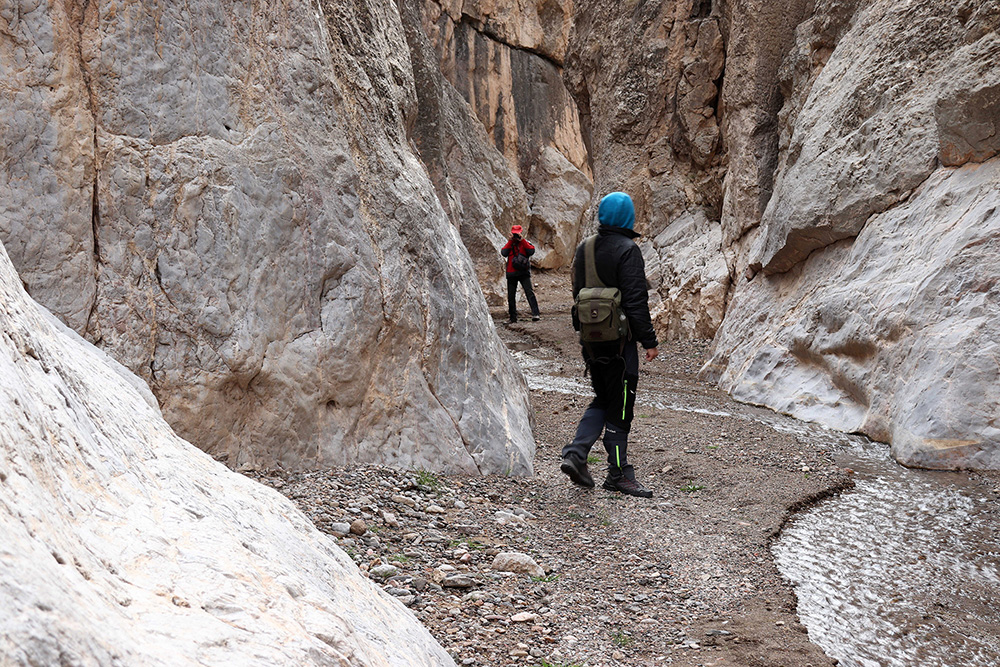
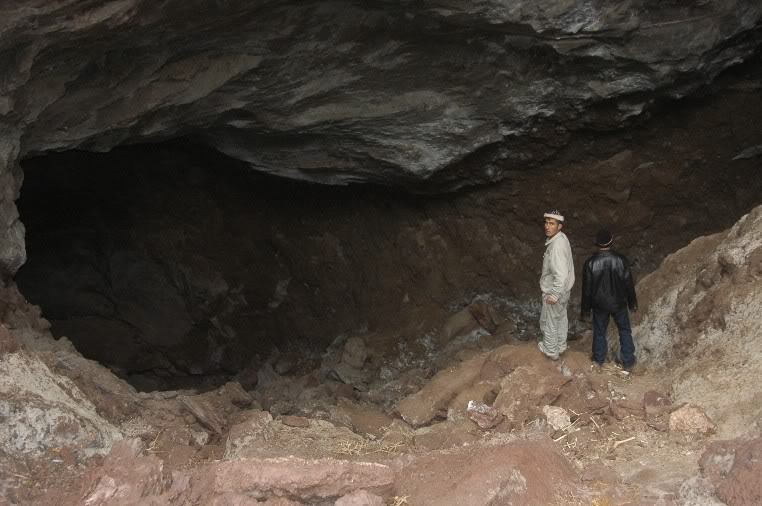
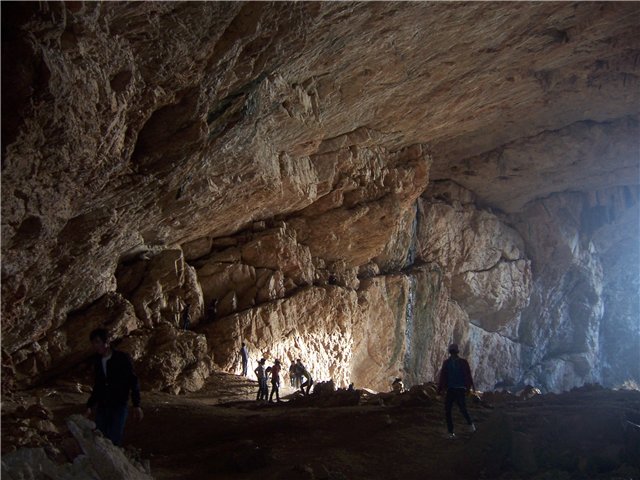
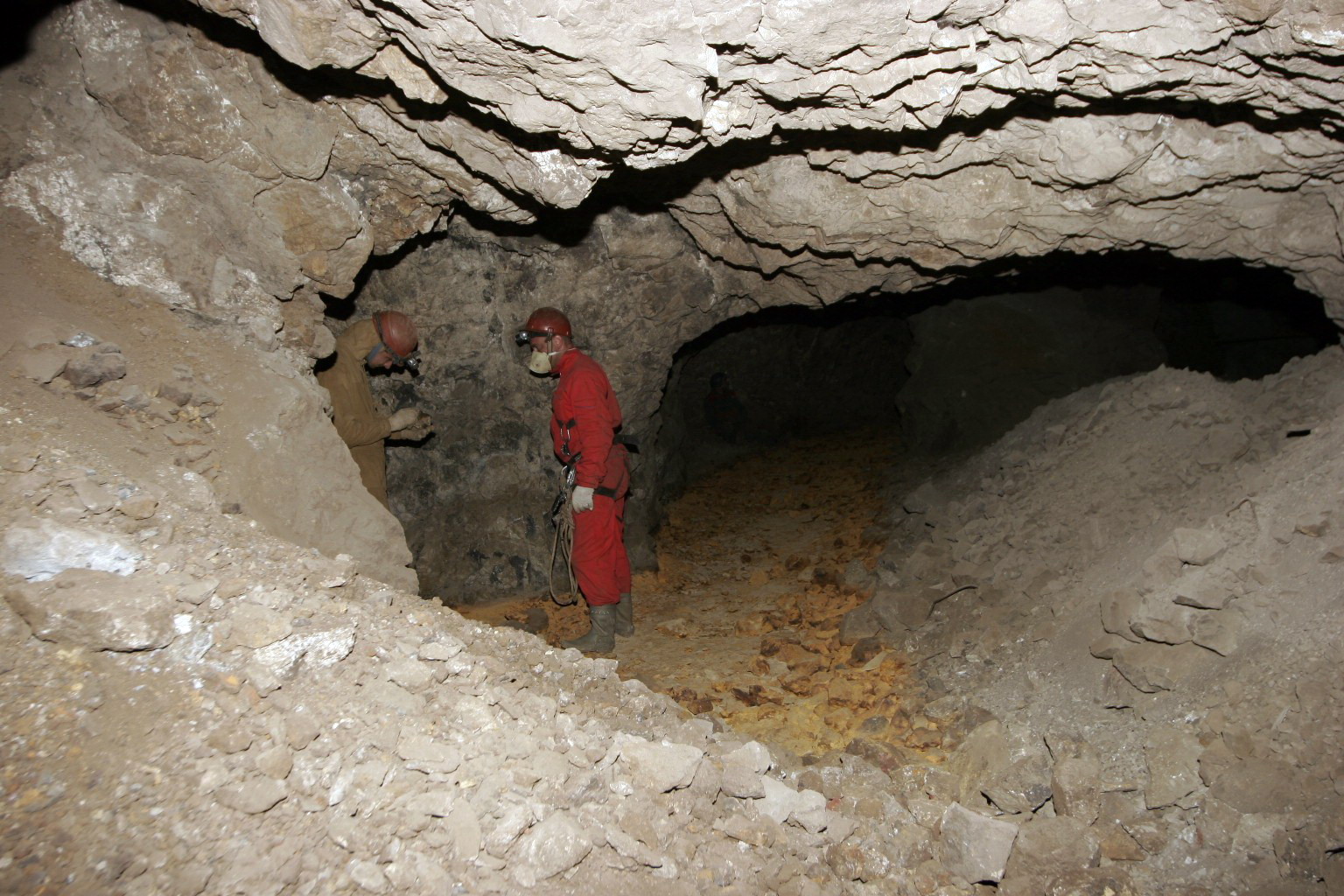
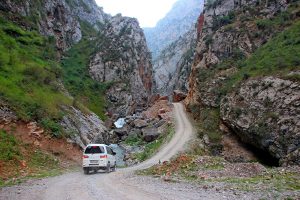
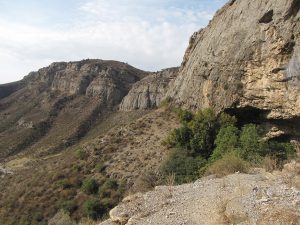
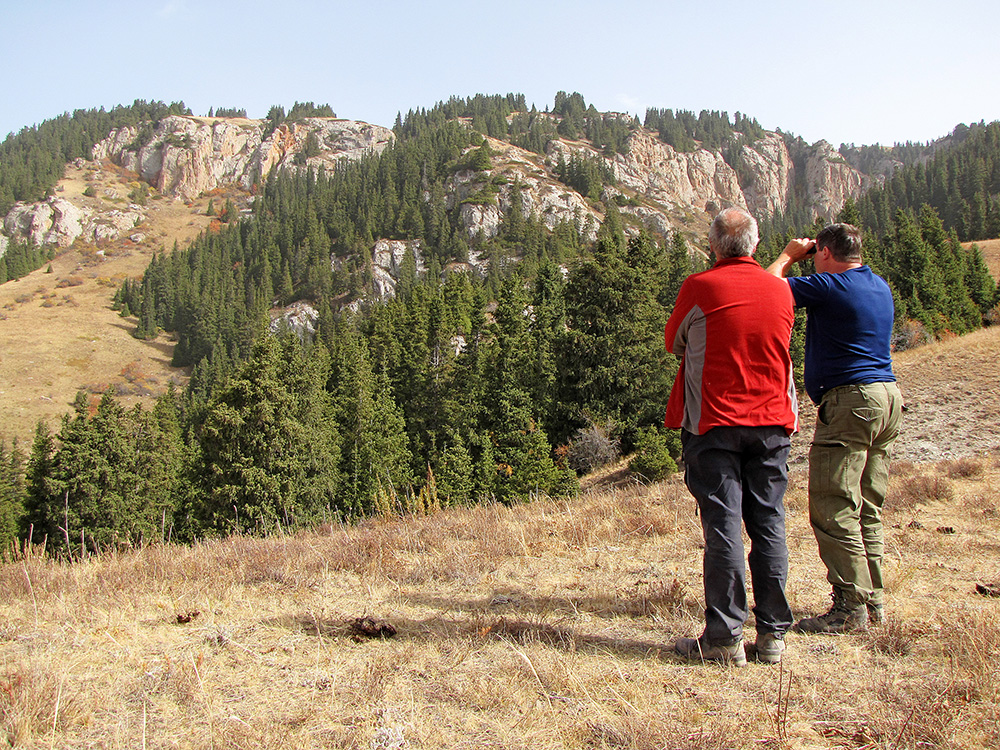
Фотографии с карстового района Козу-Баглан